
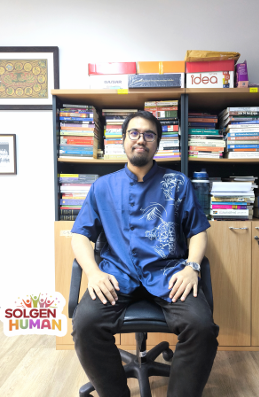
Aj.Manawat Promrat
I am from Chiang Mai. I grew up immersed in the political, social, and cultural landscape of the city. From primary school through secondary school and all the way to university, my education took place entirely in Chiang Mai. Even when I went on to pursue my master’s degree in Japan, I still defined myself as a “Chiang Mai person.”
That said, life eventually led me away from my original home. I moved to live and work in a different region, an experience that became profoundly important—one that allowed me to see both myself and the wider world more clearly.
I think many people may not fully see who I really am. To be honest, I am actually a cheerful person and quite easy to get along with—at least, I think so. I say this because not long ago, the dean once told me, “I didn’t expect you to be such a fun and approachable person.” I was quietly surprised. Is that really how I come across these days?
I believe that moving to a new academic unit may have made it harder for some people to see this side of me. If we look back to my previous department, my colleagues there knew well that I was lively and friendly. But returning to this unit after taking study leave, while also going through a major life transition, may have shaped a different image of me in the eyes of others.
I have never thought of myself as someone with a “harsh” or “intense” image. Yet many people around me describe me that way—“strong,” they say—which can make me seem difficult to approach. I often ask back, “Am I really that intense?” Still, at this stage of my life, I have to admit that I am in a period when I do not really want people to come too close.
A friend from my high school days once told me bluntly, “You don’t seem easy to befriend—you don’t give a good first impression.” Perhaps this phase I am in now is a special one. I feel that what I am dealing with most is my emotional stability. Some days my emotions are not very steady. Many questions circulate in my mind, especially philosophical ones about life and death.
Personally, I have never believed in an afterlife. But when my father told me that he dreams of my mother almost every night, I found myself unexpectedly thinking that one day, when he passes away, he might be able to reunite with her again. That thought surprised me. It lingered quietly in my mind, becoming something that subtly disturbed me, until I began to wonder whether I was overthinking everything. All of this is deeply connected to the past five years of my life.
Five years ago, I made the decision to take leave from my doctoral studies in the History Department at Chiang Mai University. I returned to live in Chiang Mai continuously during that time. It was a major turning point in my life—a period filled with many transitions. It was also the final period in which I was able to spend time closely with my mother (who has since passed away).
At the same time, the world of my friends was changing. Everyone was entering working life. I found myself joining new academic circles and meeting new people who supported and enriched my life in different ways. Although that period was filled with sadness—especially being with my mother in the final stage of her life—I still believe that taking leave from my studies at that time was the right decision. I often think that if I had not taken that break and returned to Chiang Mai, and events had unfolded in the same way, I would have felt far more regret now.
For me, “home” does not simply mean a physical place. Home is where I feel warmth, safety, and the ability to share my feelings with those around me. Honestly, these days I feel that the online world has become my home.
Once, while traveling with my partner, they asked me, “I’m right here—where are you? Why are you always looking at your phone?” At that moment, I felt guilty. But over time, I began to realize that this might be part of how I have been coping with life transitions. My offline life has changed so much that, without realizing it, I have turned inward and found refuge in the online world.
Not long ago, Nam (Patcharee Muangmusik) asked me, “Are you lonely? Since you came back from studying abroad, many of the people you used to know are no longer around.” At the time, I felt nothing in particular. But one day, when I was alone and quiet, that question returned to me. It hit me so hard that I started crying.
I realized then that I was truly lonely, and that I still had not been able to move beyond my good old days—those beautiful moments before I took leave from my studies. Nam’s question made me confront the fact that something had genuinely disappeared, and that acknowledging this feeling might be the first step toward starting again.
Right now, I have a small dream—one that means a great deal to me. I am in conversation with friends in the field of Lanna studies (particularly those working outside the mainstream) about opening a space for dialogue and exchange through an existing online page. We want to create new perspectives and new debates around Lanna studies.
Even though I am no longer working in the North, I hope that these small efforts can help foster more grounded and honest questioning about Thai identity and Thai society. At the very least, it is a modest way for me to participate in making sense of Thai society.
At Walailak University, I consider myself part of the older generation. I have been working here for 13 years. Before this, I worked at Rajamangala University of Technology Lanna in Chiang Mai. I applied to Walailak University twice.
The first time was right after I completed my master’s degree in Japan. I still remember that my graduation day there coincided with the final day Walailak University accepted applications. I had to ask a friend to rush my documents on my behalf. Although I applied in time, the recruitment process took longer, and I ended up accepting a position at Rajamangala University first.
Later, when Walailak University opened applications for the same position again, I found myself feeling that my current job did not quite fit. I quietly asked myself, “Was this position actually meant for me?” That thought led me to apply once more—and eventually, I arrived here.
When I first came to live and work here, everything felt different. I had never lived in the South before. I remember my father telling me that he, too, was a Northerner who once came south to study at Srinakharinwirot University, Songkhla campus. I began to think that my life path might resemble his—moving from place to place, changing environments, and adapting along the way. And yet, in the end, I have settled here for more than a decade.
If I had to describe SOLGEN in just one word, I would choose somrom—or, in the northern dialect, ho. This word is neither positive nor negative. To me, it reflects diversity, mixture, and things that may not seem to fit together at all. Strangely enough, those things that appear incompatible can still coexist. And that, I believe, is precisely the charm and the power of SOLGEN.
The School of Languages and General Education (SOLGEN), Walailak University, organized activities supporting the United Nations Sustainable Development Goals (SDGs), particularly SDG 4: Quality Education, through the elective course GED65-148 Recreation and Walk Rally for third-year students and above.
The course emphasizes experiential learning, encouraging students to discover their potential through recreational activities while fostering moral responsibility, teamwork, and social awareness. This initiative aligns with the University’s mission to create, preserve, and disseminate knowledge in pursuit of academic excellence and the holistic development of graduates as both competent and ethical individuals.
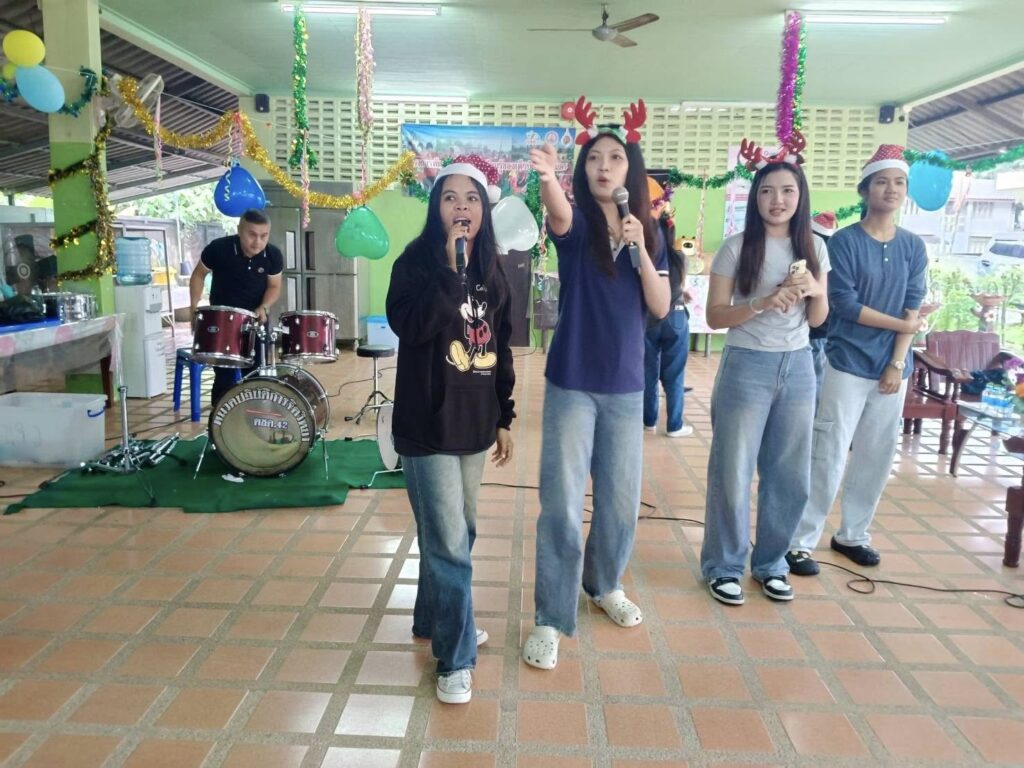
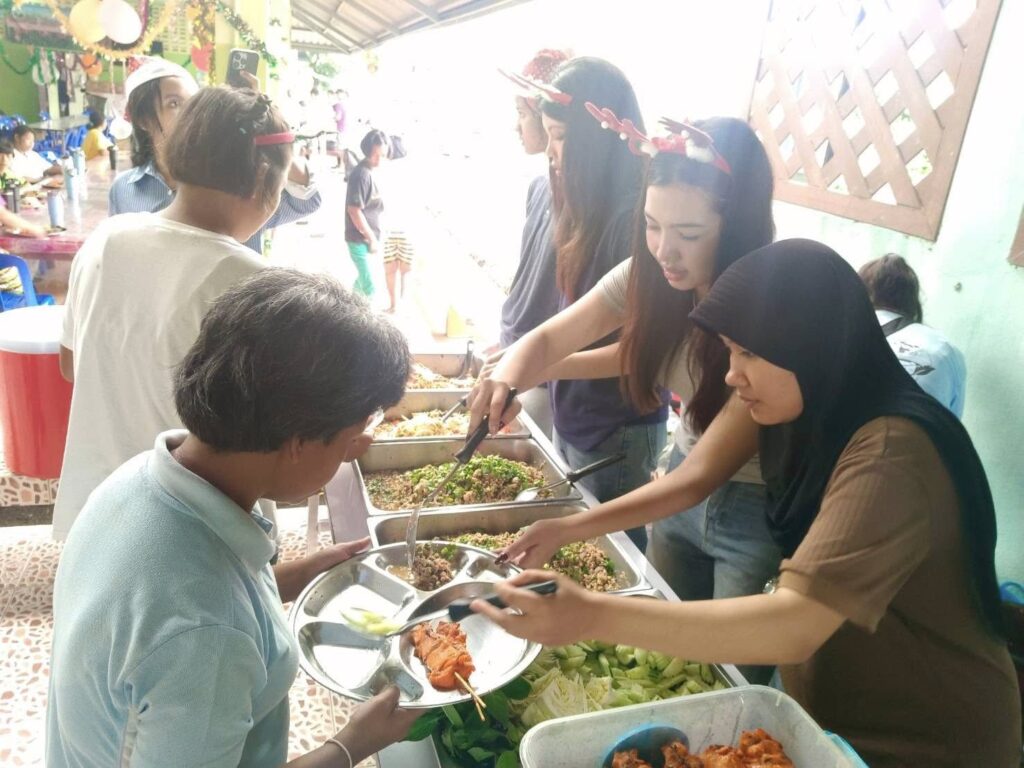
As part of the program, students conducted recreational activities for underprivileged individuals and persons with disabilities at the Ban Sakaeo Vocational Training Center for Persons with Disabilities, Tha Sala District, Nakhon Si Thammarat. The center plays a vital role in vocational skill development and rehabilitation.
Activities included music games, interactive games, relationship-building exercises, and recreational performances. These initiatives enhanced communication skills, self-confidence, creativity, and teamwork, while promoting mental and physical well-being and fostering a positive learning community.
The project also contributes to:
– SDG 3: Good Health and Well-being
– SDG 10: Reduced Inequalities
Beyond entertainment, this initiative serves as a meaningful mechanism to promote inclusion, reduce social disparities, and encourage respectful coexistence grounded in human dignity — contributing to sustainable social development.


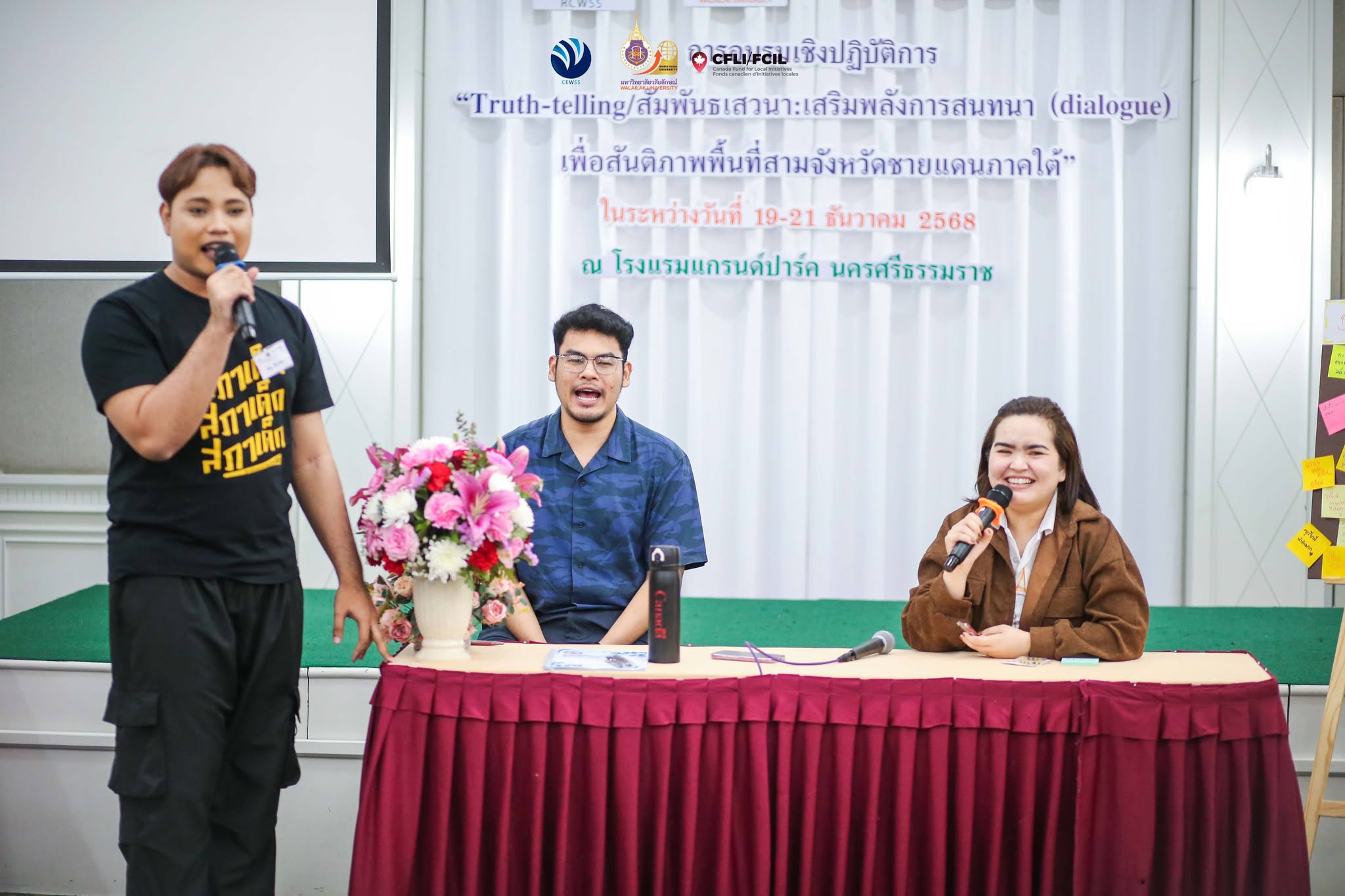
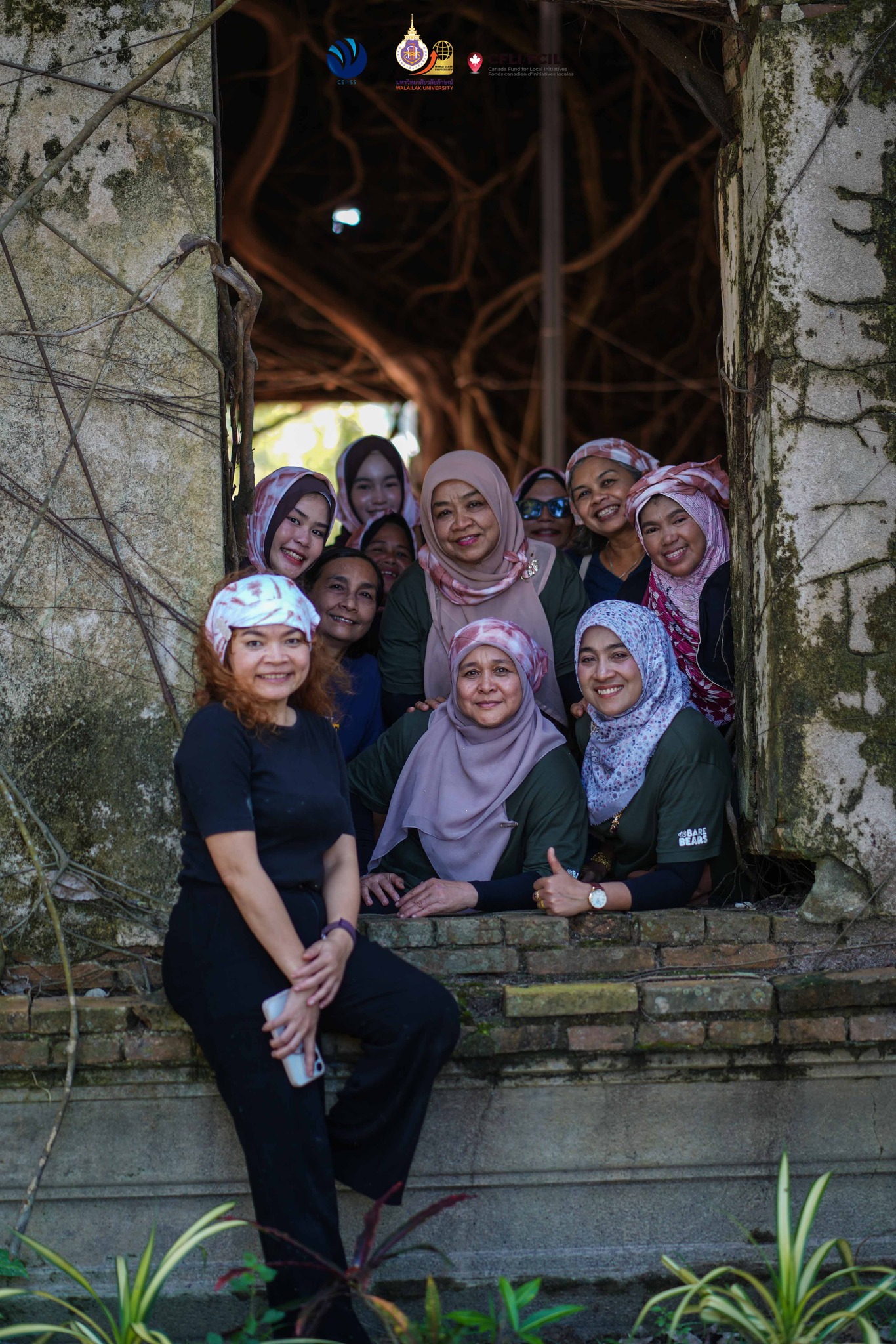
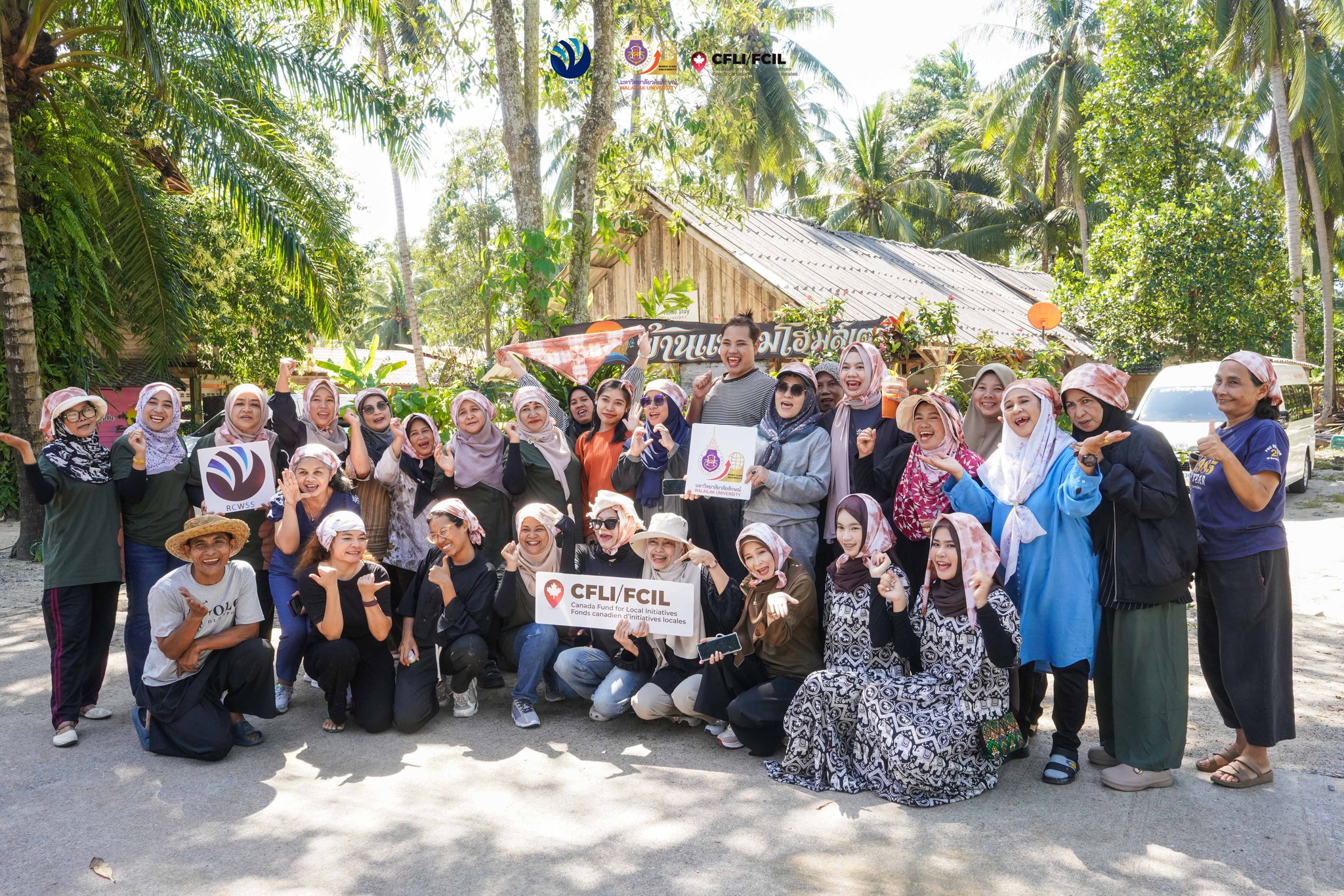
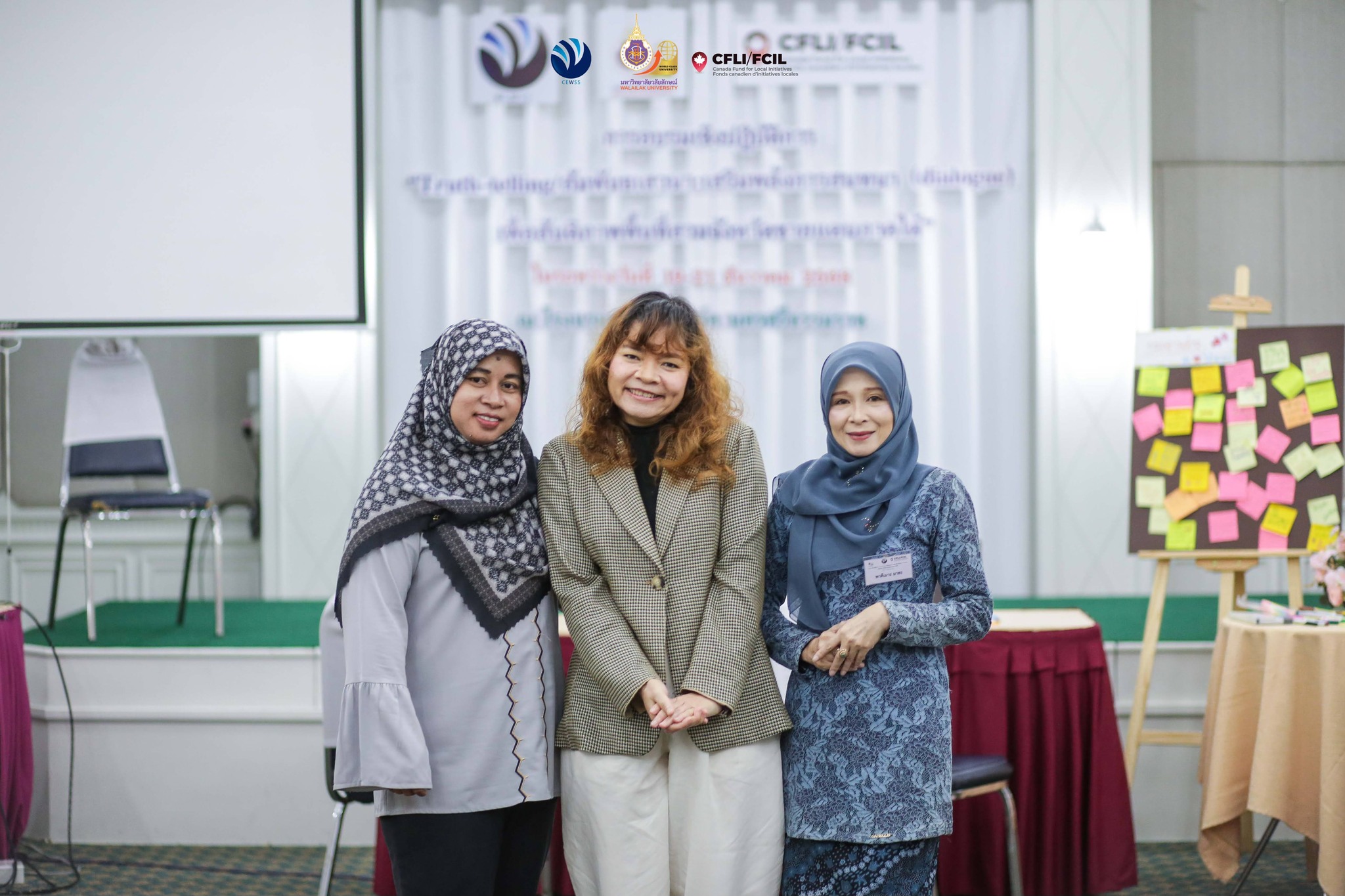
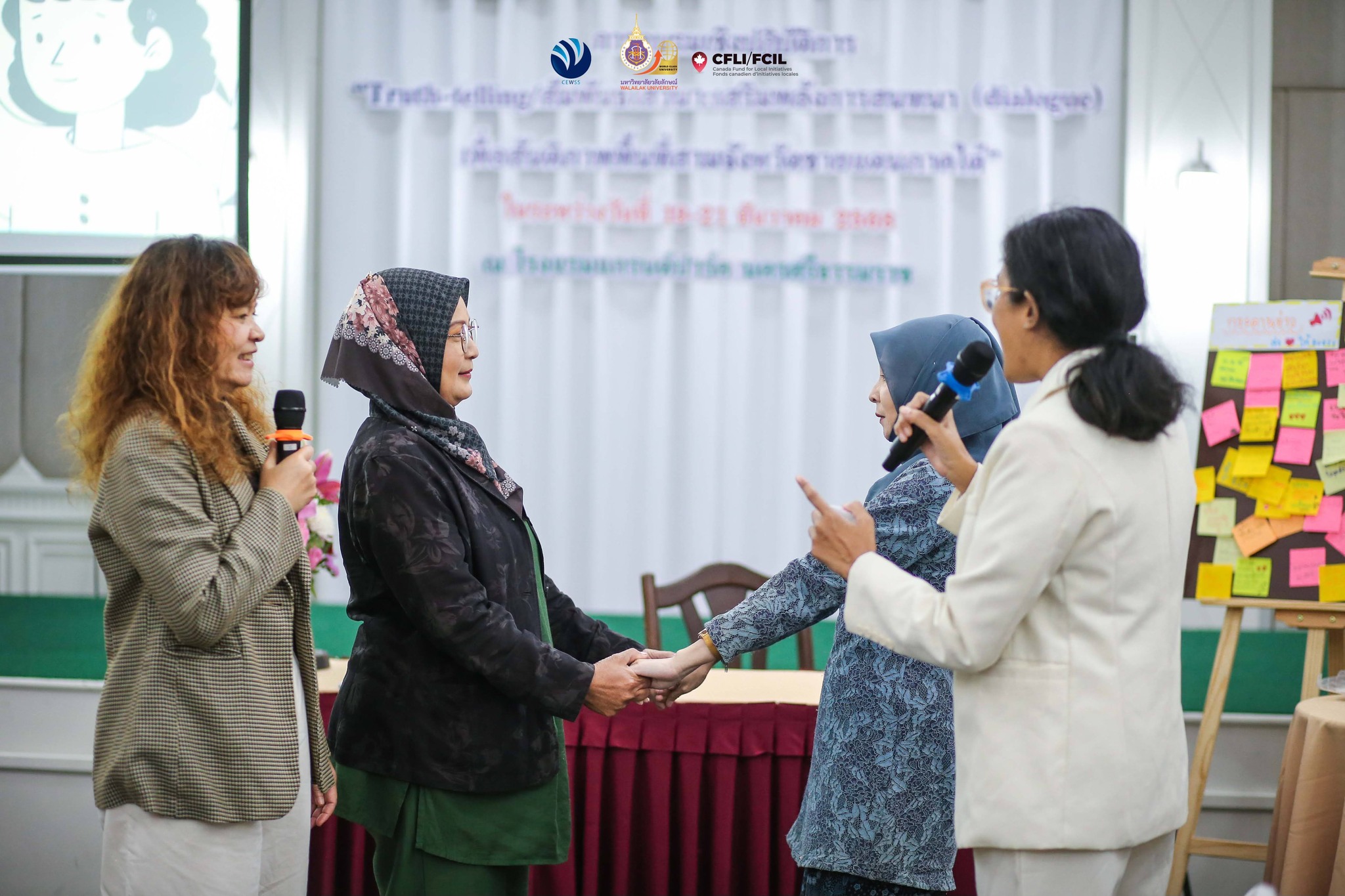
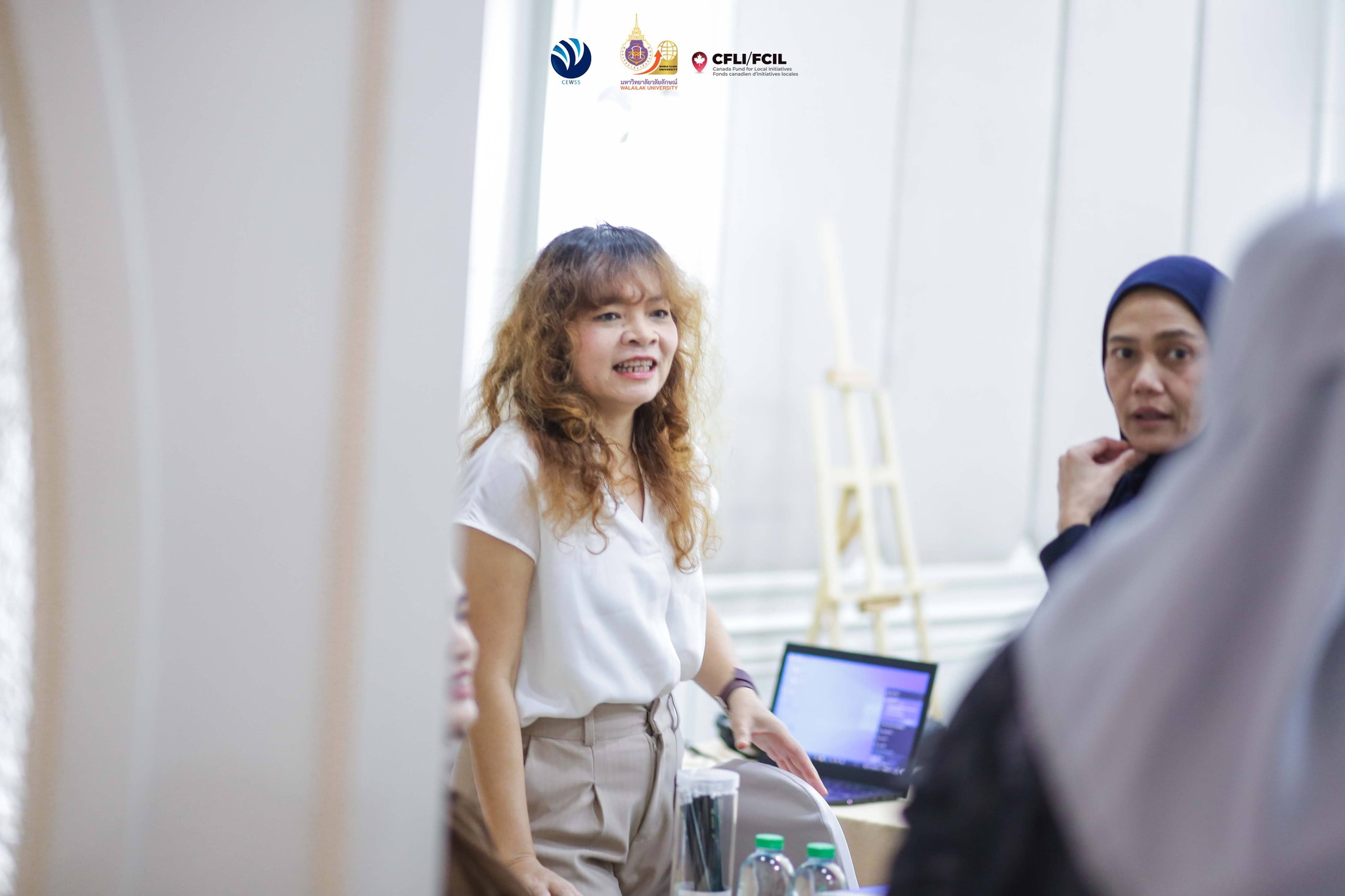
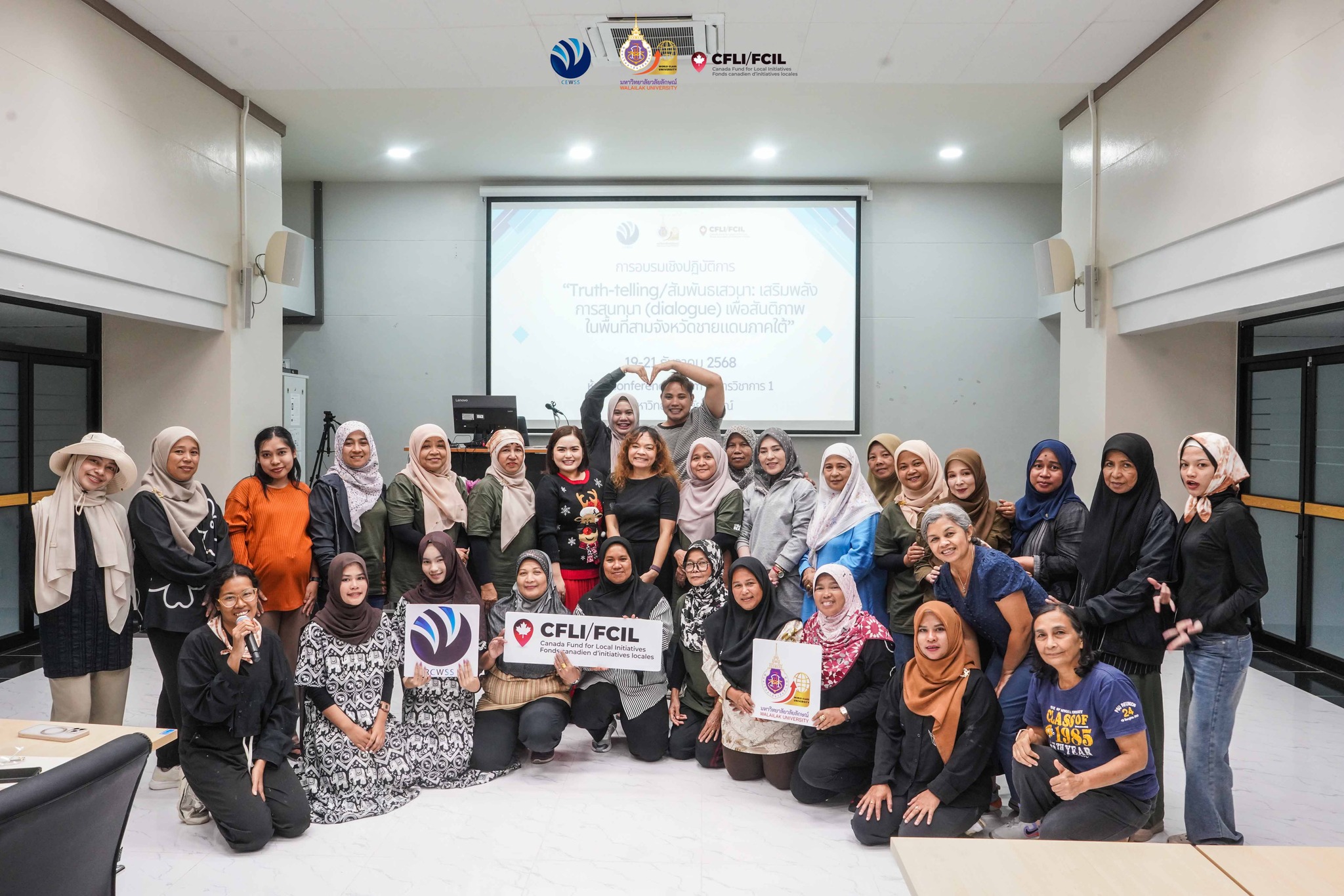
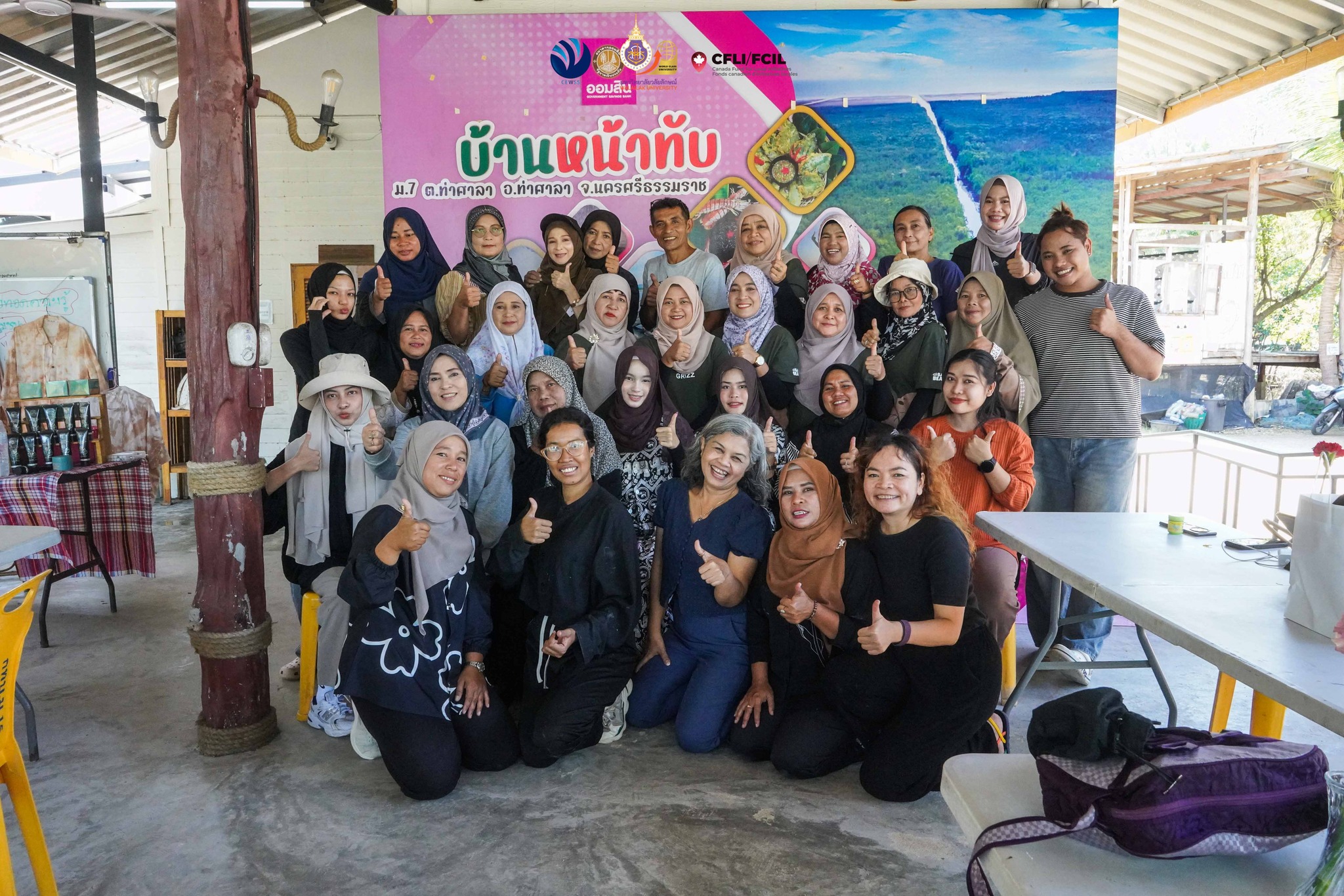
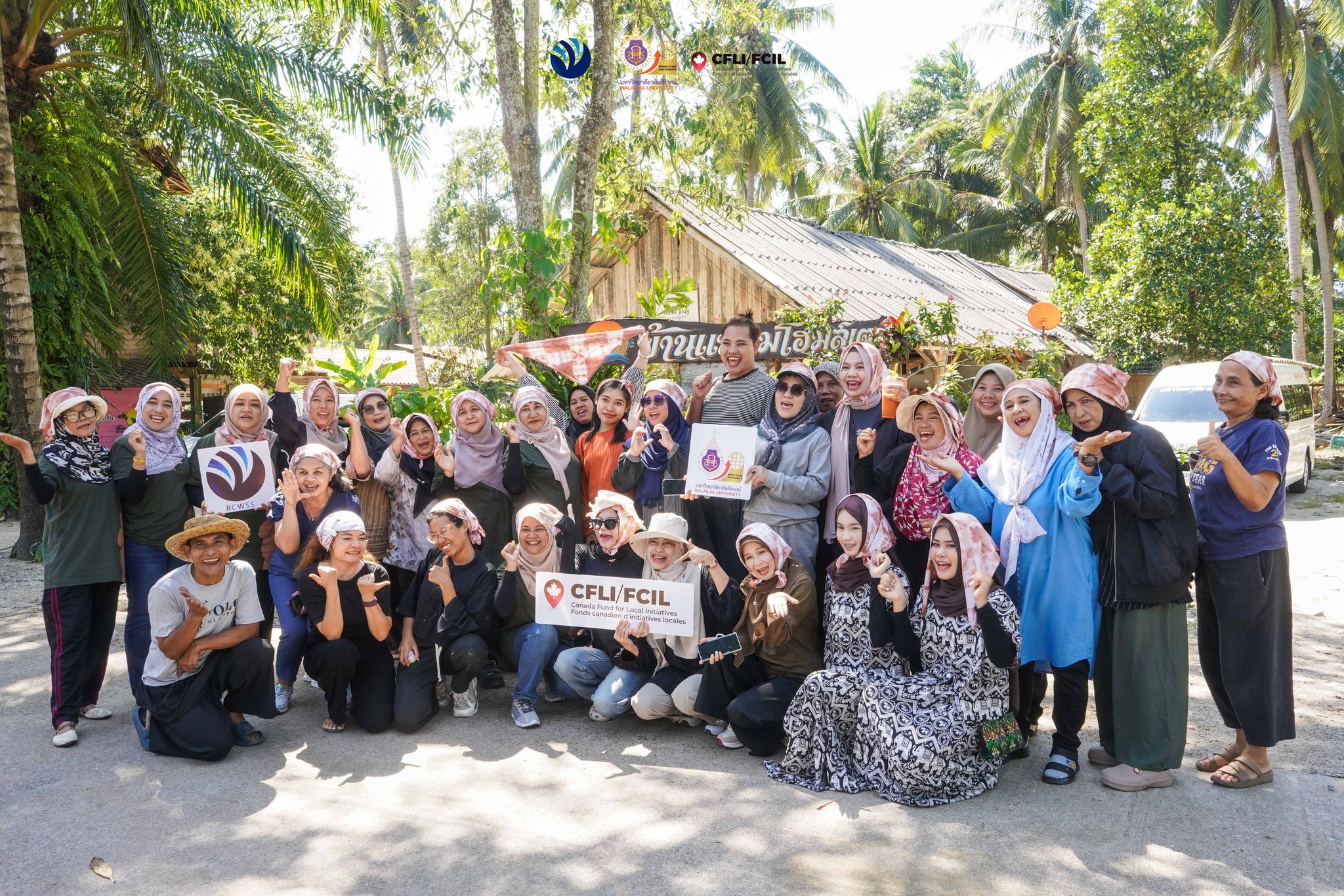
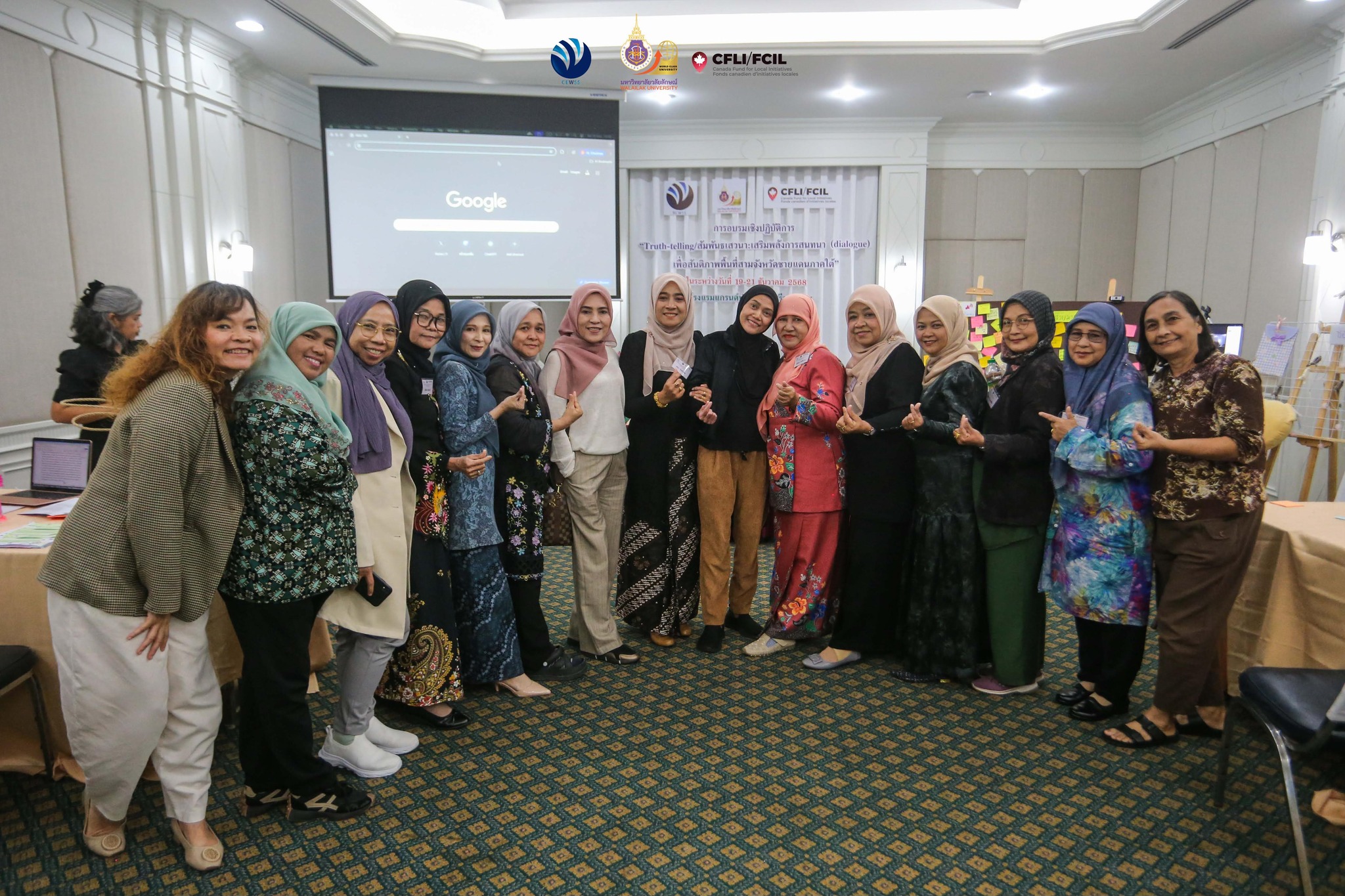
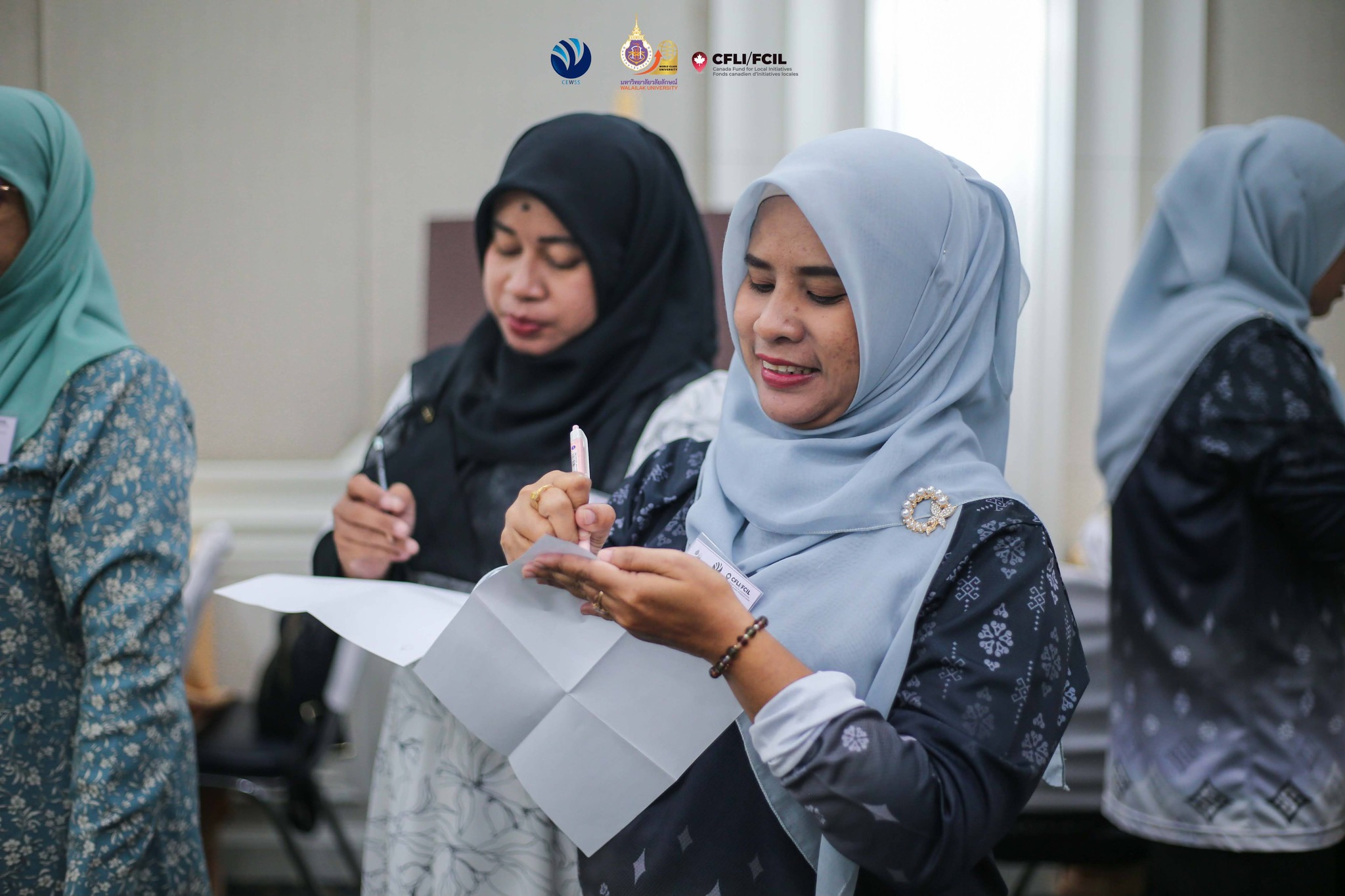
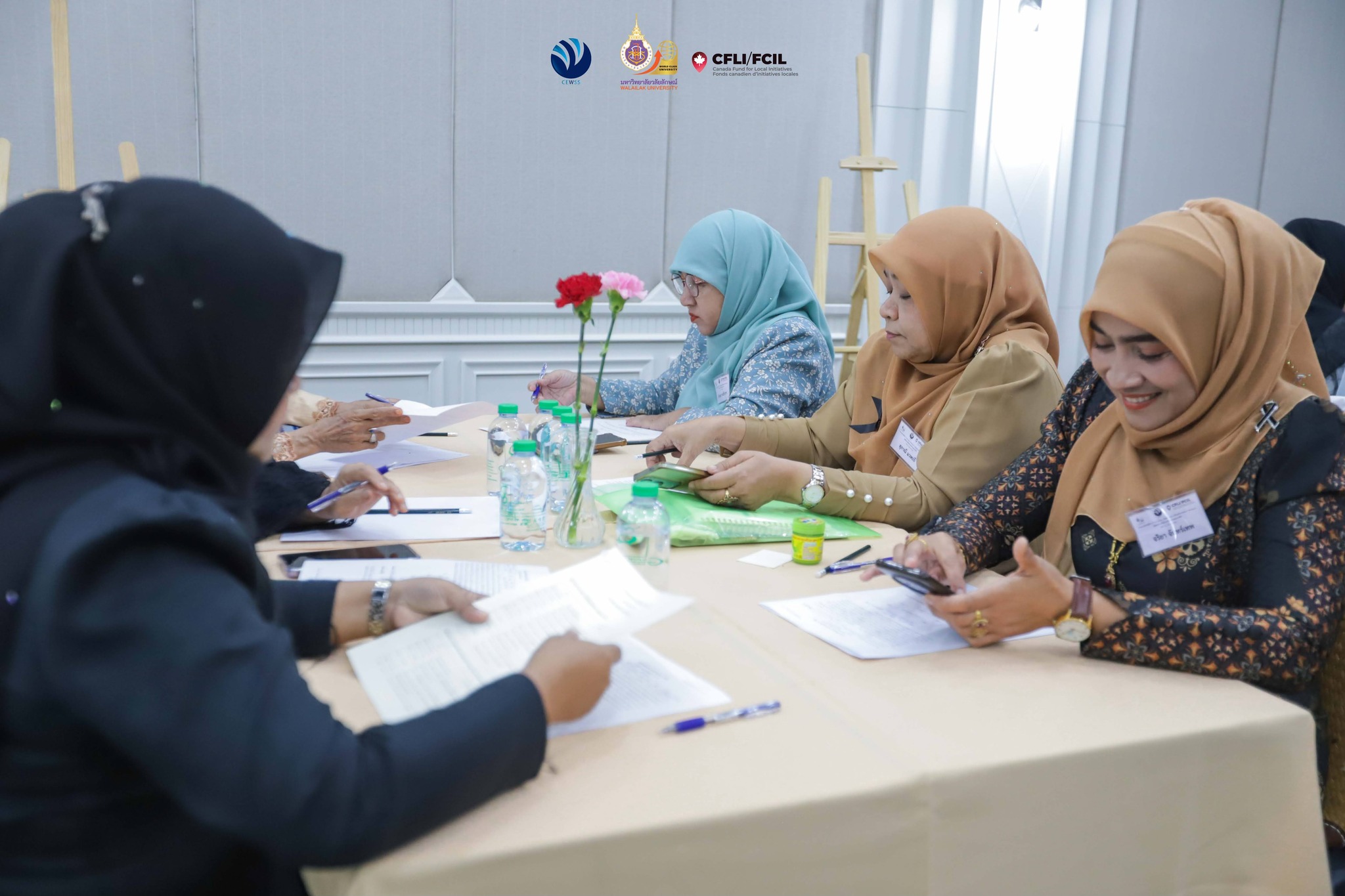
Asst. Prof. Dr. Taweeluck Pollachom, Head of the General Education Program, School of Languages and General Education (SOLGEN), Walailak University, served as the project leader for the workshop entitled:
“Truth-telling Dialogue: Empowering Conversations for Peace in Thailand’s Southern Border Provinces.”
The project was funded by the Embassy of Canada to Thailand under the initiative:
“Enhancing truth-telling and survivor-led justice in Thailand’s southern border provinces, mobilizing women and youth to heal communities affected by two decades of armed violence.”
The workshop was held from 19–21 December 2025 at Grand Park Hotel, Nakhon Si Thammarat. Participating faculty members from SOLGEN included: Asst. Prof. Khalid Midam, Asst. Prof. Piyachart Suongtee, Aj. Pavirasa Praditsorn, Aj. Krisada Kantichol
The initiative aimed to promote constructive dialogue, empower communities, and contribute to sustainable peace-building efforts in Thailand’s southern border provinces.
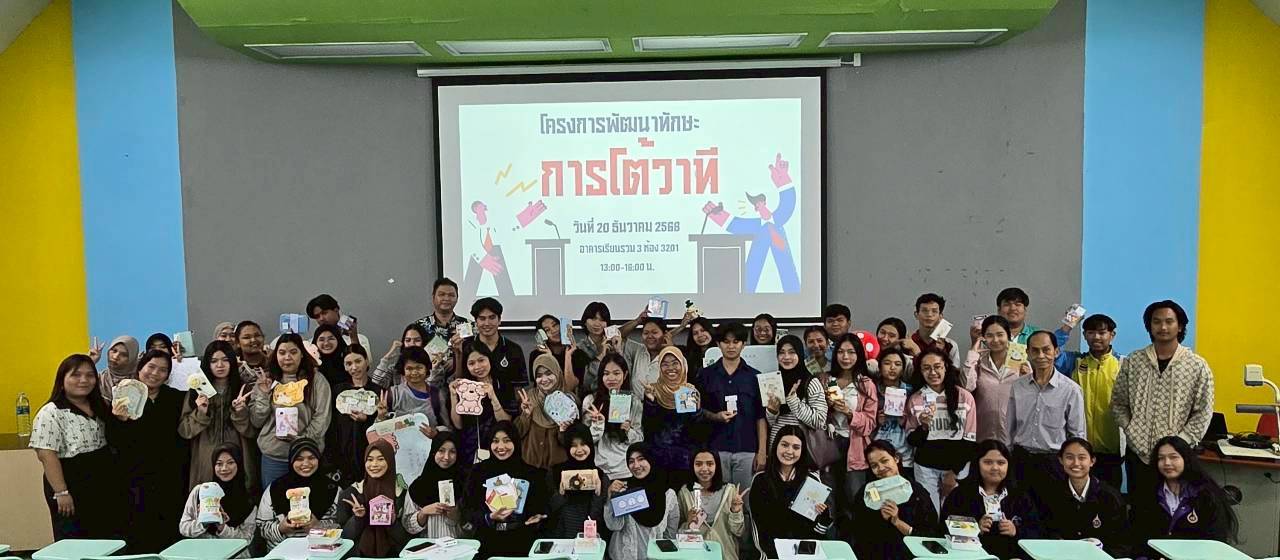
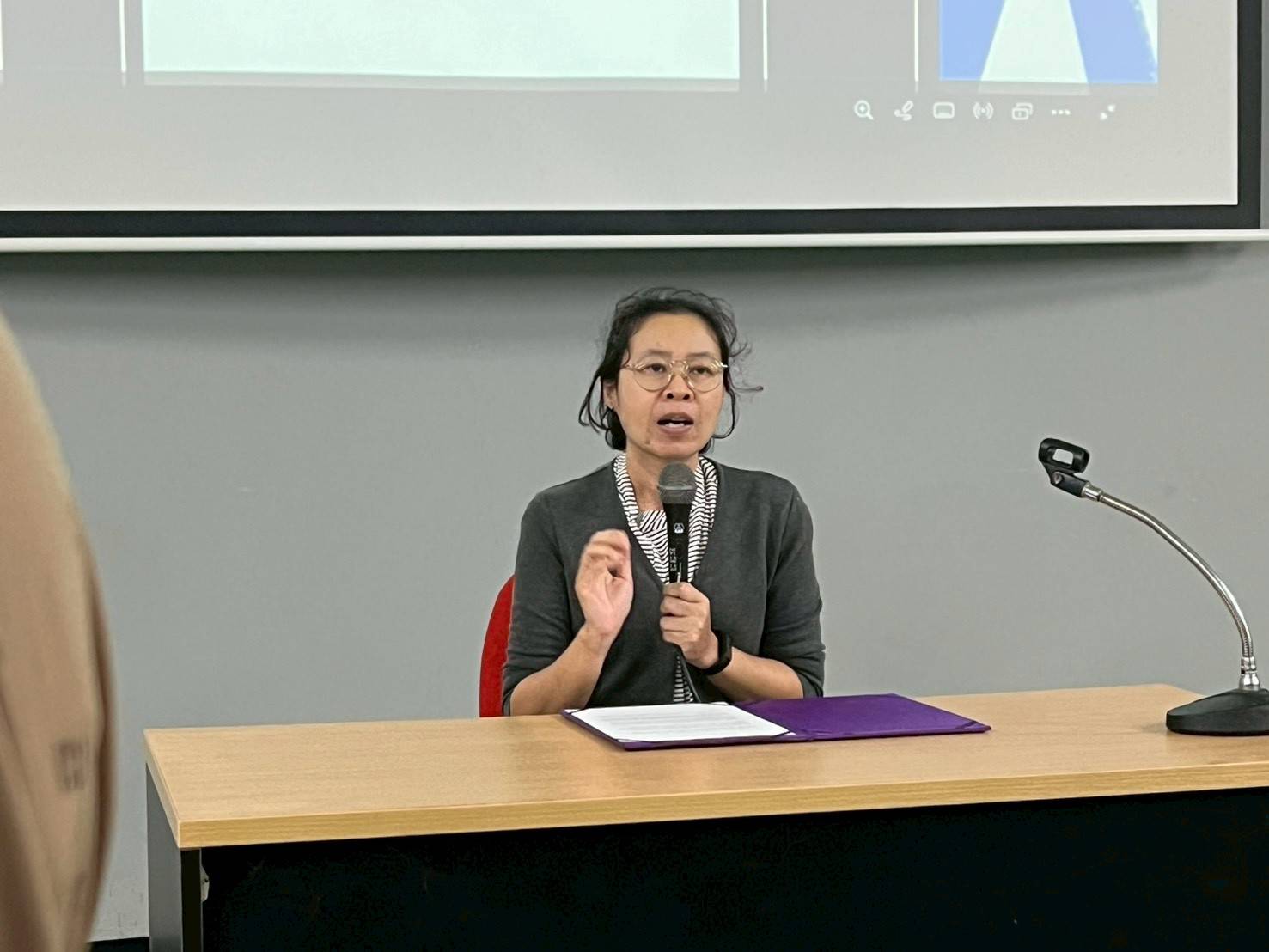
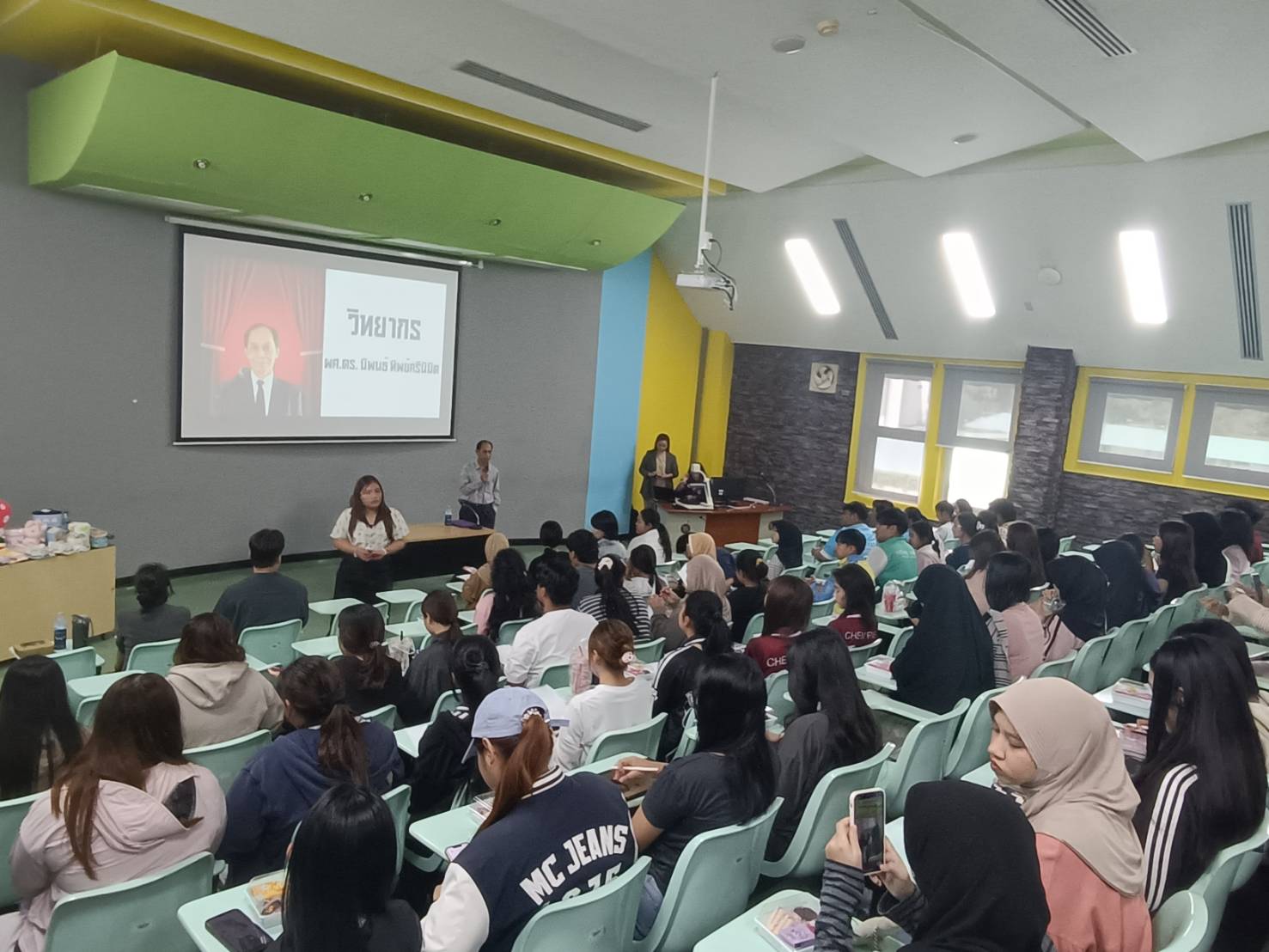
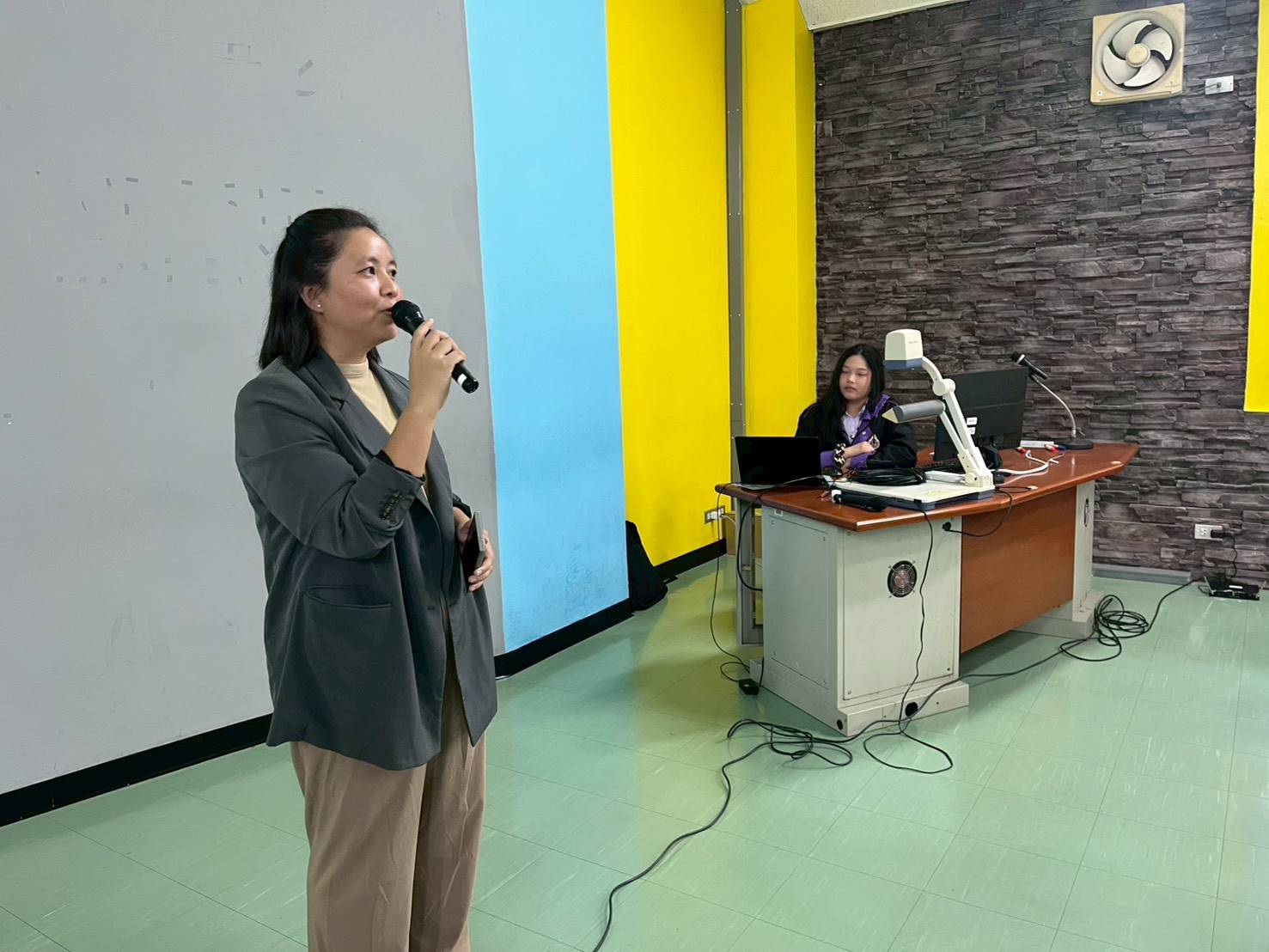
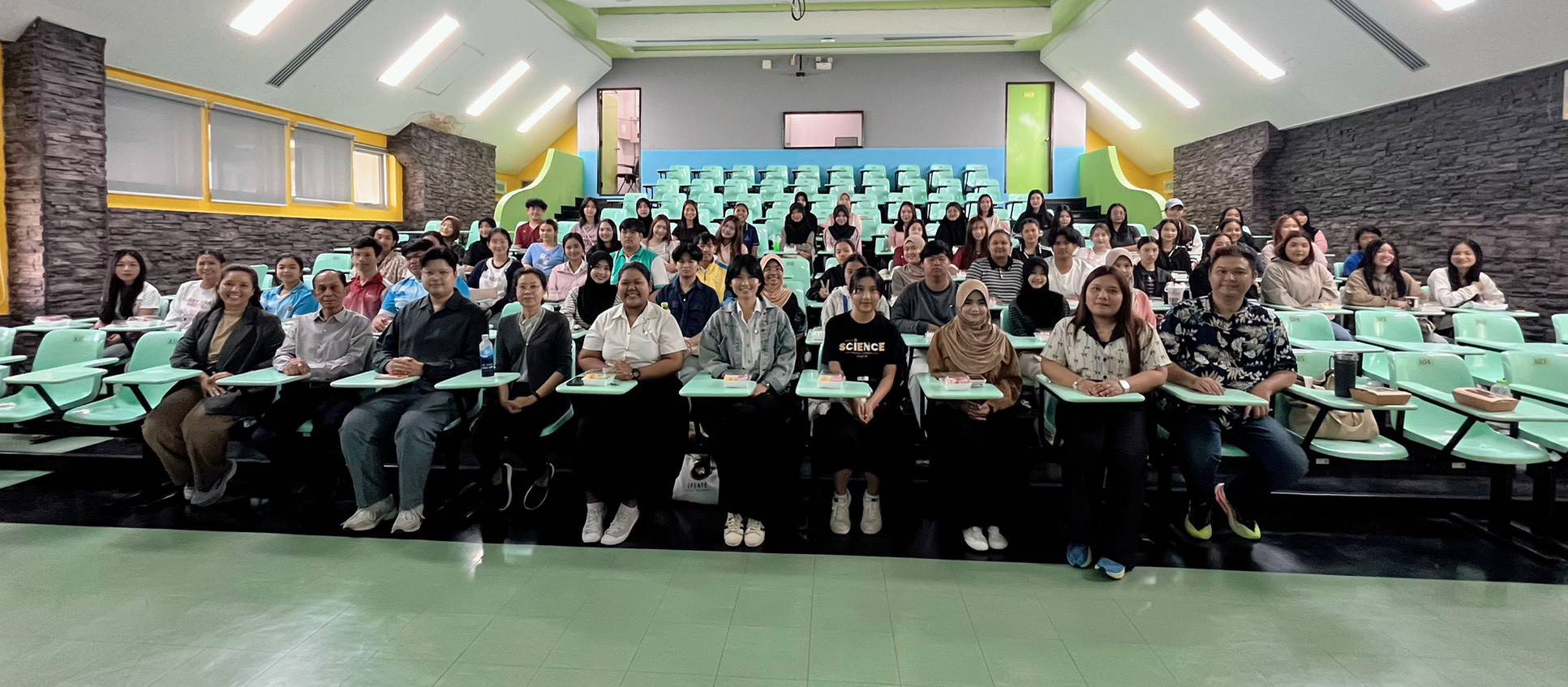
The General Education Department of the School of Languages and General Education (SOLGEN) organized a Debate Skills Development Workshop on December 20, 2025, from 1:00–4:00 p.m., at Room 3201, Lecture Building 3, Walailak University.
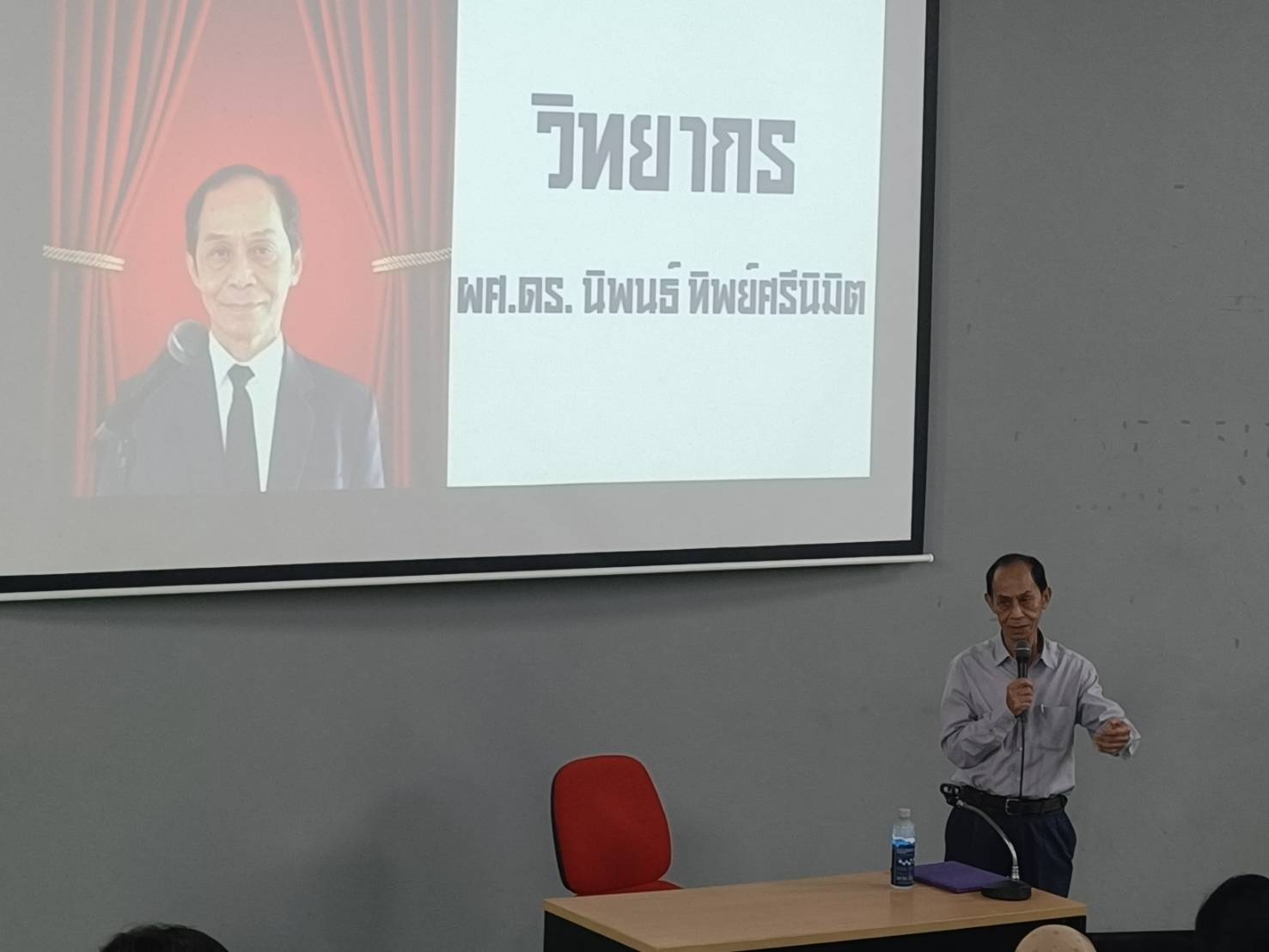
The event was honored by Asst.Prof.Dr. Rungruang Janta, Vice Dean of the School of Languages and General Education, who presided over the opening ceremony. The keynote lecture was delivered by Asst.Prof.Dr. Nibondh Tipsrinimit, a lecturer at the School of Languages and General Education, who shared his expertise and experience in debate. The session emphasized the development of critical and logical thinking skills as well as effective communication.
The activity also featured hands-on debate practice based on real-life scenarios, providing participants with opportunities to practice expressing opinions, engaging in constructive argumentation, and working collaboratively. In addition, a Q&A session with prizes was organized to enhance participation and create an engaging and enjoyable learning atmosphere.
A total of 115 students, faculty members, and interested participants attended the workshop. The overall atmosphere was friendly and interactive, with participants actively expressing their views and enthusiastically engaging in all activities.
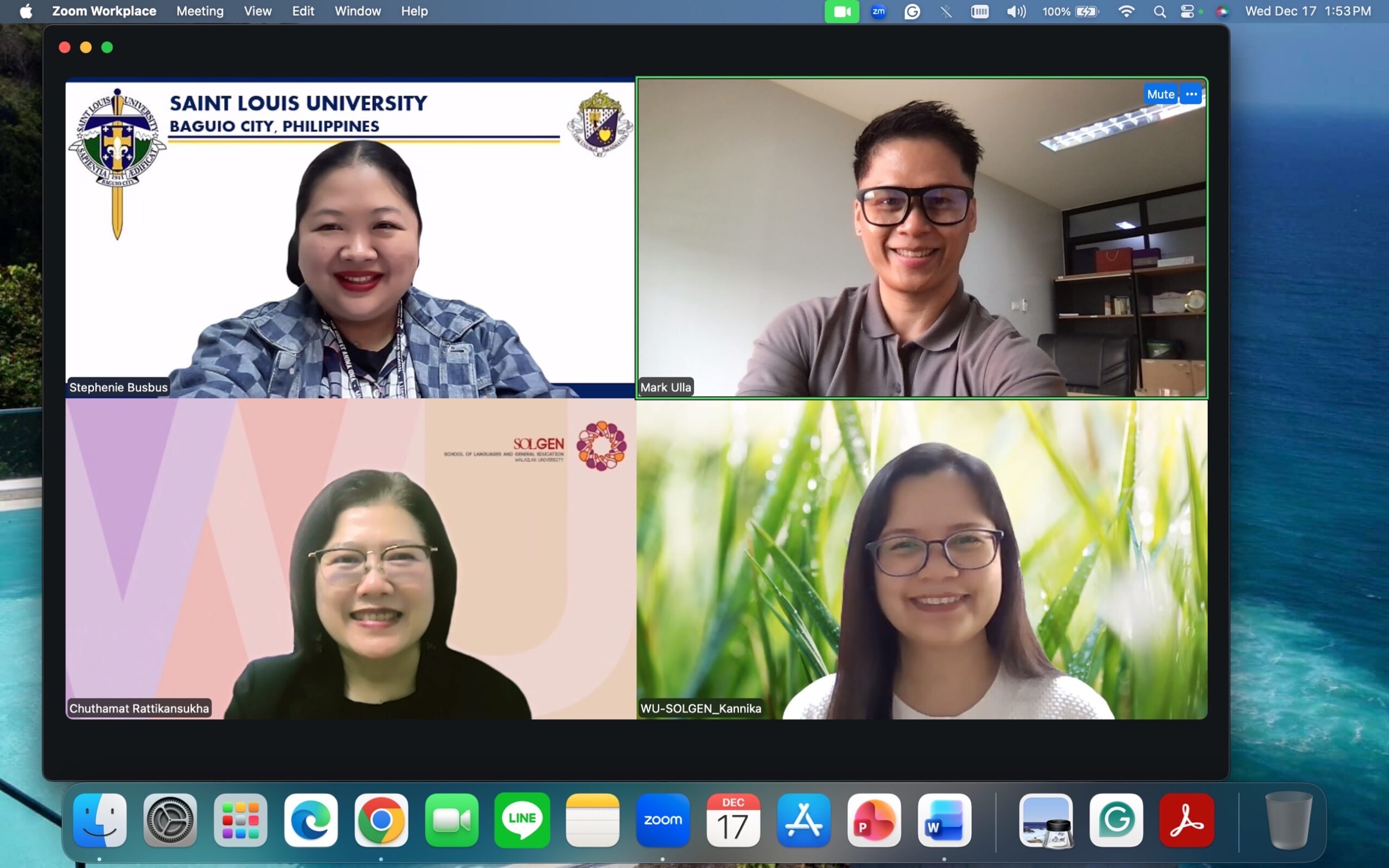
SOLGEN executives recently held an initial discussion with representatives from Saint Louis University, the Philippines, on December 17, 2025, from 1:00 to 3:00 p.m., to explore opportunities for expanding international collaboration. Building on the successful research partnership, scientists from both institutions have published a number of high-quality research articles since 2022.
The discussion also highlighted the potential for staff exchange and the development of student extracurricular activities, aiming to promote academic mobility, cross-cultural learning, and long-term collaborative research between the two institutions.